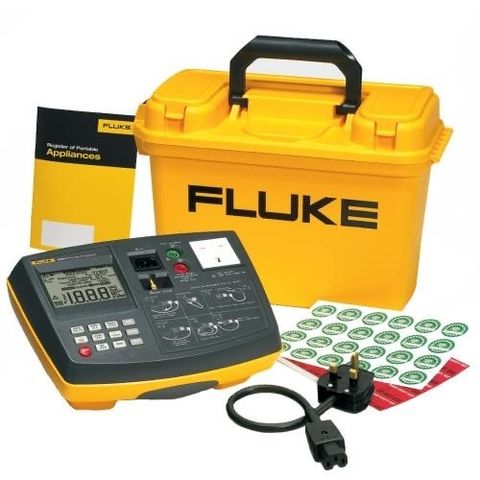
Top 10 Tips To Determine The Frequency Of PAT Testing in Rugeley
The UK's health and safety laws make it difficult for duty holders to determine the right frequency of Portable Appliance Testing. Contrary to widespread misconception, there is no mandated statutory interval–such as an annual requirement–specified in the Electricity at Work Regulations 1989. Instead, Regulation 4(2) imposes a general duty to maintain electrical systems to prevent danger, placing the legal onus on the employer or responsible person to establish a suitable maintenance regime through a structured risk assessment. Health and Safety Executive has endorsed this risk-based method, which moves away blanket testing schedules and mandates a justifiable, documented explanation for all inspection and tests intervals. It is important to determine the frequency by evaluating equipment type, operating environment, users and previous history. This makes PAT scheduling more dynamic than a calendar-based, passive compliance exercise.
1. Risk Assessment Is the Absolute Primeval Factor
The frequency of testing is not prescribed by law but must be derived from a suitable and sufficient risk assessment conducted by the dutyholder. The PAT program is based on this assessment. It should consider all factors that may cause an electrical appliance to be dangerous and decide how often that appliance needs to be tested or inspected in order to mitigate the risk. HSE inspectors will look for this assessment, and they will compare it to the conclusions. It is essential to any testing schedule. Without it, the schedule will be arbitrary and non-compliant.
2. Key Factors Influencing Testing Intervals
Risk assessment is required to evaluate the core factors in order to determine an acceptable testing frequency. These include: Equipment Type: Class I appliances (e.g., kettles, toasters, power tools) require more frequent testing than Class II (double-insulated) appliances due to their earth reliance. Environment: A harsh environment (e.g., a construction site, workshop, or commercial kitchen) demands far more frequent checks than a benign office setting. Users: If the equipment is being used by a trained employee, it may need to be tested less frequently than if it's being used by a public or untrained personnel. Appliance Construction: Equipment that is robust may have lower risks than equipment with flexible cables. Prior History: Appliances with a fault history will need more frequent checks.
3. The Role of Formal Inspections
Formal visual checks are part of a maintenance regime that is legally valid and often more important than combining inspections and tests. The majority of faults are easily identified, including cable damage or loose plugs. A competent person can perform a formal visual check on many low-risk devices in low-risk environments, such as a computer desktop in an office. Electronic testing may not be necessary. This risk assessment determines how frequently these formal visual checks are conducted.
4. First-Line Maintenance and User Checks
Checking the users is the first step in any formal process. Dutyholders must encourage users to conduct a pre-use visual inspection for obvious signs of damage such as frayed cable, burn marks or loose parts. Although not part of the formal system of PAT, promoting user awareness can be a vital part of an holistic risk-based strategy and help identify issues between scheduled formal inspections.
5. Code of Practice of IET – Guidance
It is important to note that the IET Code of Practice does not constitute law. However, it offers valuable guidance as to recommended first frequencies. The table provides a detailed list of recommended intervals for various equipment types and environments (e.g. commercial, industrial, or public). The table is a good starting point for risk assessments. This table might recommend 3-monthly inspections of equipment at a construction site, but 24-monthly for the IT equipment used in offices. These are initial recommendations to be adjusted based on actual experience.
6. The concept of "Result Based Frequency Schedules"
To be compliant and truly sophisticated, you should adjust future testing frequencies in accordance with the results of past tests. The risk assessment can then be reviewed in order to justify an increase in the testing interval if an appliance or category of appliances consistently passes their tests without error over a period of several years. If a specific type of appliance fails frequently, the testing interval should be reduced. This dynamic, evidence-based approach is viewed very favourably by enforcing authorities.
7. New Appliances and Equipment
It is a common misconception that new equipment doesn't need to be tested. While it may not need a formal combined test before first use, a formal visual inspection is still required to check for transit damage, correct wiring of the plug, and suitability for the UK market (e.g., a correctly fused plug). The risk assessment will determine the first test date for new equipment, integrating it into the existing maintenance schedule.
8. Hired or Borrowed equipment
Equipment brought onto the premises, such as hired tools or equipment used by contractors, must be included in the PAT system. It is the dutyholder's responsibility to make sure that it is safe for use before using. Such equipment is usually subject to conservative risk assessments, which require an inspection and testing immediately before the first use.
9. Documenting the Justification for Frequencies Chosen
Compliance is demonstrated through documentation. Risk assessments must include not only the frequency of each appliance type but also the reasoning behind the decision. This document will serve as evidence that "due caution" was taken. This document should list the factors to be considered (environment type, user, and equipment type), as well as, if appropriate, reference the IET Code of Practice.
10. Regular Review and Adjustment Intervals
Risk assessments and the test frequencies they dictate are not static. Regulation 4 of Electricity at Work Regulations 1988 requires continuous maintenance. The dutyholder shall review the testing intervals and risk assessment on a periodic basis (e.g. every year) or in response to any significant change. The system will remain effective and proportionate. Take a look at the most popular Rugeley electrical equipment testing for site info.
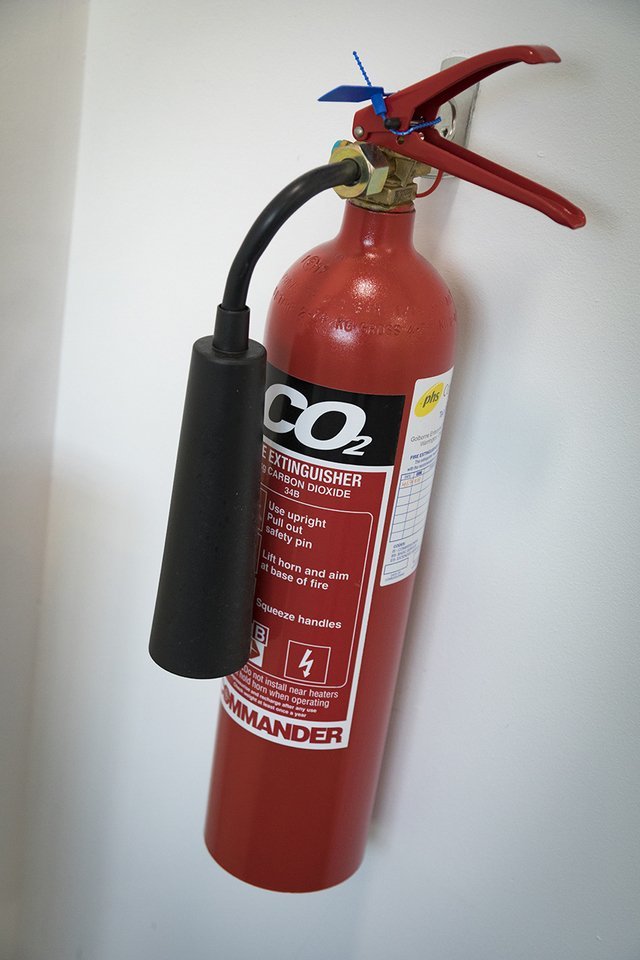
Ten Suggestions For Service Agreements Regarding The Servicing Of Fire Extinguishers in Rugeley
In the United Kingdom the United Kingdom, a service contract for the repair of fire extinguishers is a critical choice that goes beyond the simple question of the cost. In the UK, in the country where the Regulatory Reform (Fire Safety) Order has been in place The service contract is the legal way by the Responsible Person is able to meet their legal obligation of maintaining fire-fighting gear. A well-structured contract for service ensures compliance and clarifies obligations for the parties. Poorly drafted agreements can create false assurances, concealed liabilities and compliance gaps. Understanding these contracts, which include their inclusion of services and pricing models, as along with termination clauses and limits on liability, is essential when choosing a partner to maintain your equipment and actively aid in your fire safety program.
1. Contract Types Full-Compliance vs. time-and-Materials in Rugeley
Understanding the structure of your contract from the beginning is essential. The most extensive contract is a Full Compliance Contract or Inclusive Contract. For a fixed annual cost the provider is responsible for all scheduled services (annually 5 years, 10 years, or every year), including all parts including labour, refill agents, as well as other essential items. They schedule their visits in advance and ensure that every job is recorded. This model ensures budget stability and reduces risk for the service provider. Contrary to this time-and-materials contract or Call-Out contract typically will cover the annual base cost. Any additional tasks, such as the discharge test every five years or repairs, is charged separately as an additional. This could result in unpredictable costs and requires you to organize the schedule of more complex services.
2. Pricing Structures and Transparency
A reputable contract will contain a pricing structure that is clear and detailed. Review the contract to make sure it details the cost in a clear manner. Does it include a cost per extinguisher type? Does it include a separate item for the annual service and the projected cost for the future extended services? It is important to know about any hidden fees. It is important to inquire about mileage charges as well as call-out fees, administrative costs, and the cost of replacing extinguishers that have been damaged or are out of date. Transparency in a quote ensures that budgeting is accurate and creates trust.
3. What services are included and what is not?
This is the core of the agreement. The document must specify absolutely what services are included. Does the price cover:
All the basic annual services?
All extended 5-year services (discharge tests for foam, water, powder)? in Rugeley
The entire 10-year overhaul, as well as CO2 tests under pressure? in Rugeley
Repair of components (seals or hoses for example, valves and pins).
Refill agents? in Rugeley
Can I borrow the equipment of a repairer during a long-term repair? in Rugeley
Equally important is a clear list of exclusions for example, the replacement of stolen or vandalised units, or repairs that are required because of malicious damage.
4. Service Scheduling Protocols and Visit Protocols
The contract should define the obligations of the service provider with respect to the scheduling. Will they contact your to arrange an annual visit? Do they inform you prior to the visit? What's the procedure for their arrival? Should they report to reception, and will they require accompaniment? The documentation should also contain the estimated time of an average service visit, based on your building's size, as well as the process for conducting service with the least disruption to your business. This is essential in high-traffic areas like hospitals or retail stores.
5. Documentation and Certification Delivery in Rugeley
The requirement to provide documentation is not an act of courtesy, it is a legal necessity. The contract must specify clearly which certifications will be given and at what time. Each service must result in a detailed Service Report, which includes the equipment that was serviced, as well as the type and extent of service provided and any suggestions made or issues identified. This is your main evidence of compliance. It must be provided promptly. The contract also needs to specify the structure of the document (e.g. Digital PDF, access through an online portal or in a printed copy) and who is going to receive it.
6. Resolving Equipment Failures and Replacement Policy in Rugeley
A crucial clause will describe the procedure to be followed in handling defective equipment. What is the definition of the service provider of "beyond economic repair"? What is their procedure for announcing an extinguisher as "beyond economic repair"? The contract should clearly state who is accountable for the replacement cost. A contract that is in full compliance must include the clause, excluding any exclusions like theft. To ensure that your property is protected over an extended period and also specify a timeframe to provide and set up the replacement.
7. Response Time for Emergency and Reactive Work in Rugeley
The scheduled visits are planned, but emergencies are not. The contract will define the steps taken by the provider to a situation that is urgent, such a leaking pipe or vandalism. Is a phone line dedicated? What is the guarantee responses to a request for a callback or an engineer to visit your site? These terms are often tiered according to the severity of the problem and can result in additional costs under certain contract types Therefore, they should be clearly understood prior to the time of call.
8. Liability and Indemnities for Insurance in Rugeley
This is an essential legal protection. The contract should specify the service provider's Public Liability Insurance limits (e.g. PS5 million or PS10 million) as well as Professional Indemnity Insurance. It is important to confirm that the insurance policy is up-to-date and adequate. Additionally, you must review clauses which restrict their liability. While it is common that liability is restricted to the amount specified in the contract, be sure that the amount is within a reasonable limit. Additionally, make sure they are fully liable if they are negligent or have a failure to perform the duties according to the agreement standard.
9. Contract Termination, Renewal, or Duration Clauses in Rugeley
Know the commitment you're making. Does the contract lock you into a long-term agreement like three or five years, or is it an annual or rolling contract? What is the cancellation notice time frame? Do you have penalties if you terminate early? The renewal agreement should clearly state that the company is not will automatically renew the contract without a revised quote. The contract must be terminated at the time to terminate the contract in case of breach for example, such as not showing up regularly or not providing a certificate.
10. Clauses of Assignment and Subcontracting in Rugeley
It is important to carefully read any clauses that permit the service provider to assign or subcontract an agreement. Although subcontracting is not uncommon, your contract should state that the subcontractor you choose to use must have the same certification (e.g. BAFE SP101, for example) and be insured as the main contractor. This ensures that the standards aren't diluted and the quality of service is maintained, regardless of the person who is performing the actual job. Take a look at the top rated Rugeley fire safety for site examples.